
When a Hospital Goes Dark: What the UNM Health Ransomware Attack Teaches Every SMB About Cyber Risk and Compliance
When a single ransomware attack can cancel surgeries, divert ambulances, and cancel classes within hours, "we're too small to be a target" stops being a credible security strategy for any organization including yours.
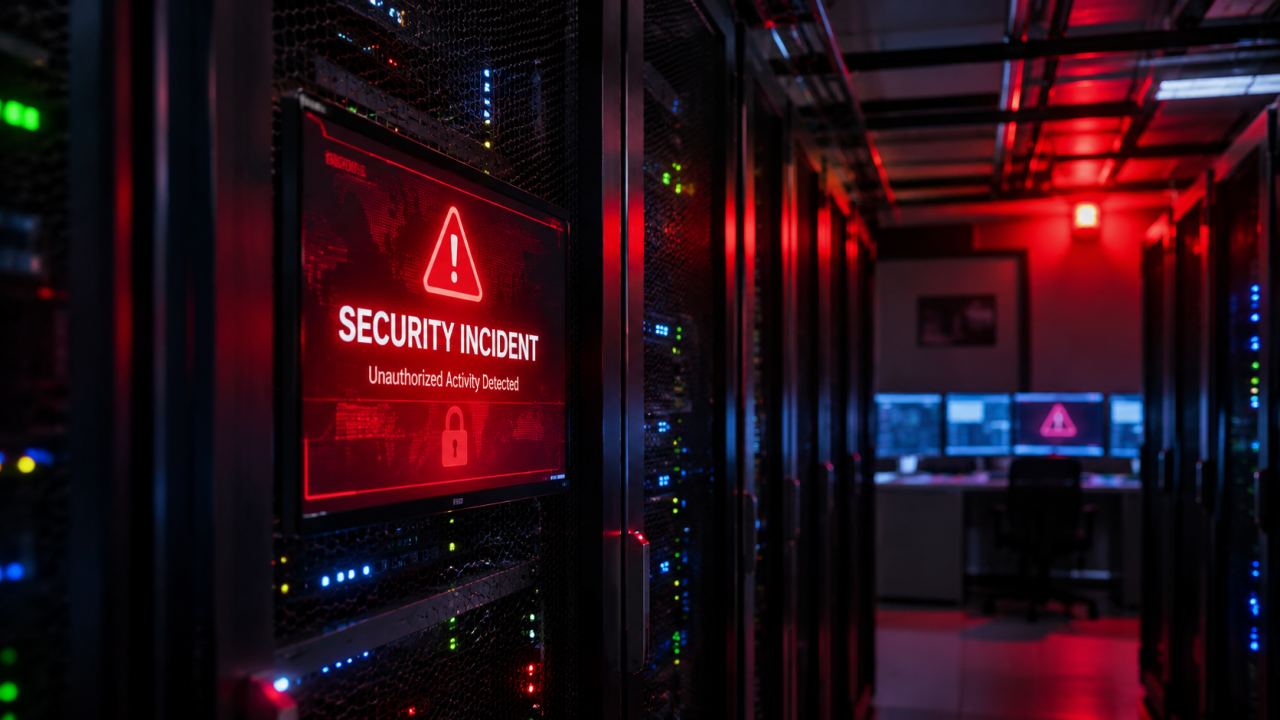
On Monday, October 26, 2026, the University of New Mexico Health Sciences Center, home to New Mexico's only Level I trauma center and a system that handles more than a million patient visits a year, was hit by a ransomware attack that stopped operations in their tracks. Hospitals temporarily restricted new admissions, diverted incoming ambulances to neighboring facilities, suspended outpatient surgeries and appointments, and sent nonessential staff home. Classes at all four of UNM's health sciences schools were canceled.
A new ransomware group calling itself "Byod" claimed responsibility, alleging it had compromised 36,000 systems, including Active Directory, the organization's entire Microsoft Entra tenant, HR and payroll records, student data, and patient records tied to its electronic health record system. UNM's own investigation characterized the damage differently, saying core servers were not penetrated and that the incident was contained a smaller set of end-user devices. Either way, by the next morning, patients, staff, and students were being warned to watch for phishing emails impersonating the university a now-familiar second wave that follows almost every major breach.
It took less than 24 hours for a highly resourced academic health system, with its own IT security staff and external incident response partners, to go from "normal Monday" to ambulance diversions and canceled surgeries. That's the story worth sitting with this week, not because it's unusual, but because it isn't. UNM joins a growing list of October incidents that should matter to any small or mid-sized business leader thinking about risk: a breach of Florida's Department of Education financial aid portal exposed Social Security numbers and personal data for roughly 4.9 million applicants, and security researchers confirmed active, real-world exploitation of two newly disclosed PHP vulnerabilities (CVE-2026-109618 and CVE-2026-109619) that allow attackers to run code remotely on unpatched web servers. None of these three stories are separate. They're the same story, told three ways: attackers are moving fast, the entry points are often mundane (an unpatched server, a phishing email, a vendor platform), and the organizations getting hit aren't limited to Fortune 500 companies with dedicated security operations centers.
Why This Isn't Just a "Big Hospital" Problem
It's tempting for a 40-person accounting firm, a regional dental group, or a local manufacturer to read a story about a major university health system and conclude it doesn't apply to them. The opposite is true, and for a specific reason: large organizations are often harder targets than small ones. They have dedicated security teams, 24/7 monitoring, and incident response retainers already in place which is exactly why UNM Health was back to seeing scheduled patients within about a day. Small and mid-sized businesses typically have none of that.
According to industry research cited throughout 2026's breach reporting, SMBs are now disproportionately represented among ransomware victims precisely because attackers know smaller organizations are less likely to have modern endpoint protection, tested backups, or a written incident response plan. A dental practice, a school district's local vendor, a regional bank's loan processor, or a managed service provider's downstream client is, in many cases, an easier and more profitable target than the hospital system making headlines.
This is also where compliance frameworks stop being paperwork and start being the actual blueprint for resilience. The reason regulators-built frameworks like HIPAA, FERPA, NIST CSF, and the CIS Controls around concepts like access control, data backup, vendor risk management, and incident response isn't bureaucratic box-checking it's because those are precisely the controls that determined whether UNM Health reopened its doors in a day instead of a month.
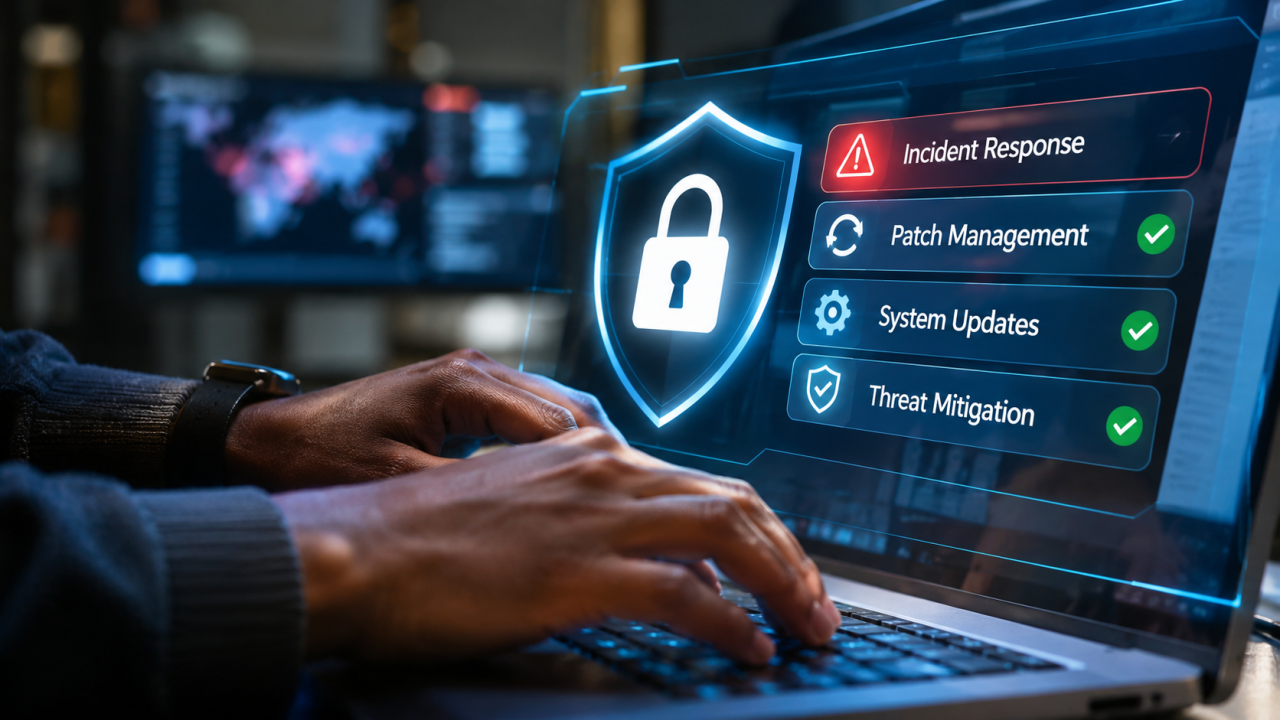
The Compliance Through-Line: HIPAA, FERPA, NIST CSF, and CIS Controls
If your organization handles health information, the HIPAA Security Rule already requires a documented risk analysis, a contingency plan, and workforce training on recognizing threats like phishing all things that would have directly shaped how an organization like UNM Health responded. If you work with student data, FERPA's expectations around safeguarding education records and limiting data access apply just as directly to a school district's third-party vendors as they do to the district itself, a point driven home by the Florida financial aid breach this same week. And whether or not a formal regulation applies to your industry, the NIST Cybersecurity Framework (Identify, Protect, Detect, Respond, Recover) and the CIS Critical Security Controls give any SMB a practical, prioritized way to close the gaps that ransomware groups exploit most often: unpatched software, weak account access controls, missing multi-factor authentication, and untested backups.
The PHP vulnerability story from the same week is a useful, concrete example of the "Protect" function in action. SANS's Internet Storm Center and its broader ransomware and security awareness guidance have long emphasized that the fastest path to a ransomware incident is almost never a sophisticated zero-day it's a known, patchable vulnerability that sits unaddressed for weeks or months. SANS's Cybersecurity Awareness Month Ransomware Toolkit, built for security awareness programs, exists specifically because the human layer (an employee clicking a convincing phishing email, exactly the kind UNM warned its community about) remains one of the most common ways ransomware gets a foothold in the first place. Patch management and employee awareness training aren't glamorous, but they are the two controls that show up repeatedly, across HIPAA, FERPA, NIST CSF, and CIS Controls alike, as the first line of defense.

What SMB Leaders Should Actually Do This Week
You don't need a Fortune 500 security budget to meaningfully reduce your risk. A few concrete, high-leverage steps:
- Confirm your backups are not just running, but tested meaning someone has actually restored data from them in the last 90 days. A backup nobody has verified is a hope, not a plan.
- Verify that every internet-facing system, especially anything running PHP, content management platforms, or remote access tools, is current on security patches. If you don't know what's patched and what isn't, that's the first gap to close and it's exactly the kind of inventory work a managed IT or security partner should already be doing for you.
- Put a written incident response plan in place, even a simple one, that names who calls whom, in what order, if systems go down at 2 a.m. UNM's ability to communicate clearly with patients, staff, and the public within hours of the attack didn't happen by accident.
- Run phishing awareness training at least quarterly, using current, realistic examples. The second wave of attacks after any major breach is almost always phishing emails exploiting confusion, and your own employees are the people attackers are counting on.
- Map out where your sensitive data lives with third-party vendors and platforms, not just on your own servers. This week's incidents involving a state education agency and a European energy provider were both, in different ways, reminders that vendor and partner access is now one of the most common breach pathways.
The Bottom Line
Ransomware attacks on hospitals and school systems make headlines because the stakes are visible and immediate; canceled surgeries, diverted ambulances, exposed student data. But the underlying failures that make those attacks successful, unpatched systems, untrained staff, untested backups, unmanaged vendor access, are exactly as present, and exactly as exploitable, at a 30-person business as they are at a major health system. The good news is that the same frameworks regulators use to hold hospitals and schools accountable (HIPAA, FERPA, NIST CSF, CIS Controls) double as a practical, prioritized roadmap for any SMB that wants to close its own gaps before an attacker finds them. If last week's news is a reminder of anything, it's that readiness, not size, is what determines whether an incident becomes a headline or a non-event.